
The best discounts this week
Every week you can find the best discounts here.
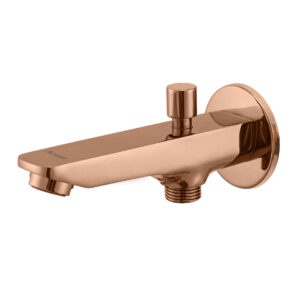
PRASEO Wall Spout with diverter

PRASEO Wall Spout

PRASEO 3 – Inlet Diverter Upper Trim

PRASEO Pillar Cock Tall Body
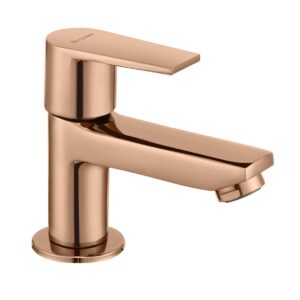
PRASEO Pillar Cock
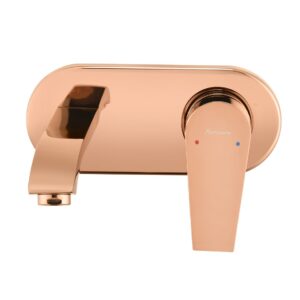
PRASEO Wall Mount Basin Mixer
Understanding the key differences between load testing and stress testing
Understanding the key differences between load testing and stress testing
Defining Load Testing
Load testing is a type of performance testing that assesses how a system behaves under expected load conditions. It evaluates the system’s ability to handle a specific number of users, transactions, or requests simultaneously. By simulating real-world usage scenarios, load testing helps identify performance bottlenecks before they can affect end users. With platforms like Overload.su, you can find a reliable ddos service to further enhance your testing capabilities.
The primary goal of load testing is to ensure that the system can operate smoothly under normal conditions. This type of testing measures response times, throughput, and resource utilization, providing valuable insights into whether the application can meet user demands effectively.
Understanding Stress Testing
In contrast, stress testing examines how a system performs under extreme conditions. This type of testing pushes the system beyond its normal operational capacity to determine its breaking point. The aim is to identify how the system behaves when it is subjected to excessive loads, whether due to a sudden surge in traffic or a gradual increase in demand.
Stress testing helps organizations understand the limits of their systems and prepares them for unexpected scenarios, such as spikes in user activity or failures in infrastructure. By analyzing how the system fails, developers can implement better strategies to enhance reliability and prevent outages.
Key Differences Between Load and Stress Testing
The main difference between load testing and stress testing lies in their objectives. Load testing focuses on evaluating the system’s performance under expected workloads, ensuring it can handle the anticipated number of concurrent users without issues. Stress testing, on the other hand, aims to discover the upper limits and weaknesses of the system, determining what happens when it is pushed beyond its capacity.
Additionally, the methods used in each testing type vary. Load testing typically involves simulating a specific number of users interacting with the application, while stress testing may involve a gradual increase in load or sudden spikes to challenge the system’s resilience. Understanding these differences is crucial for developers and IT teams to select the appropriate testing methods for their specific needs.
Importance of Both Testing Types
Both load testing and stress testing are essential components of a comprehensive performance testing strategy. Load testing ensures that applications can handle expected traffic and deliver a positive user experience. On the other hand, stress testing helps organizations prepare for worst-case scenarios, ensuring their systems are robust enough to withstand unexpected challenges.
By utilizing both testing strategies, businesses can effectively enhance their application performance, optimize resource utilization, and improve user satisfaction. Integrating these tests into the development lifecycle can help prevent costly downtimes and reinforce customer trust in the system’s reliability.
Exploring Overload.su for Testing Solutions
Overload.su stands out as a premier service specializing in both load testing and stress testing, making it an invaluable resource for organizations aiming to strengthen their digital infrastructure. With years of expertise in the field, Overload.su offers cutting-edge solutions that empower users to assess the resilience of their systems comprehensively.
Their platform not only supports load and stress testing but also includes services like web vulnerability scanning and data leak detection. With a commitment to providing top-notch performance testing, Overload.su has earned the trust of over 30,000 satisfied clients who rely on them to enhance their systems’ robustness and security.


