
The best discounts this week
Every week you can find the best discounts here.
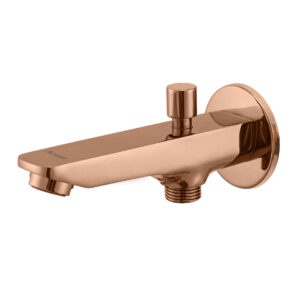
PRASEO Wall Spout with diverter
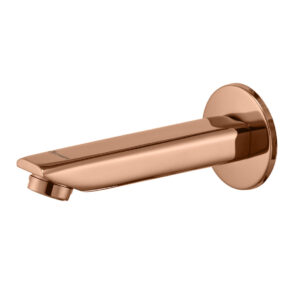
PRASEO Wall Spout
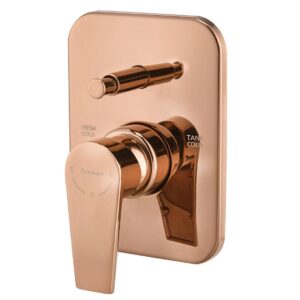
PRASEO 3 – Inlet Diverter Upper Trim
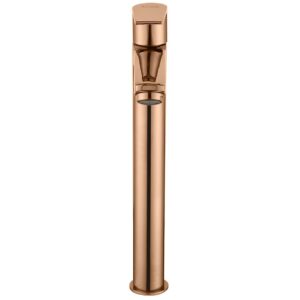
PRASEO Pillar Cock Tall Body
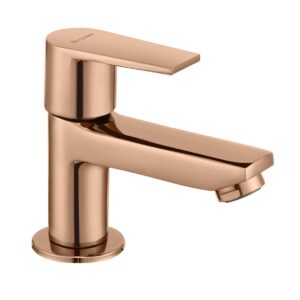
PRASEO Pillar Cock
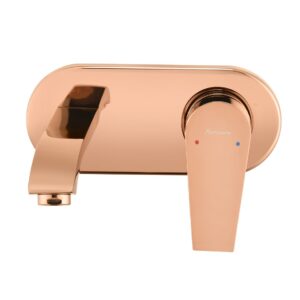
PRASEO Wall Mount Basin Mixer
How Bet Size Influences Reward Timing in Modern Games
In the rapidly evolving landscape of digital gaming, understanding the mechanics that drive player engagement is essential for both developers and players alike. Among these mechanics, reward timing—how and when players receive payouts—stands out as a crucial factor shaping the overall gaming experience. Central to this is the role of bet size, which acts as a powerful modulator of reward timing, influencing not only the frequency and magnitude of payouts but also player perception and behavior.
- Fundamental Concepts: Bet Size and Reward Dynamics
- The Psychological Impact of Bet Size on Player Expectations
- How Bet Size Modulates Reward Timing in Game Mechanics
- Modern Game Features Affecting Reward Timing and Player Experience
- Natural Illustration: «Fortune Coins – Hit the Cash!» as a Modern Example
- Non-Obvious Factors and Depth: Beyond Basic Mechanics
- Practical Implications for Game Designers and Players
- Conclusion: How Bet Size Shapes Reward Timing and Player Experience
Fundamental Concepts: Bet Size and Reward Dynamics
Defining Bet Size and Its Variations Across Game Genres
Bet size refers to the amount of currency or credits a player wagers per spin or round. In slot games, this can range from a few cents to hundreds of dollars, while in poker or table games, bets are often structured in chips with minimum and maximum limits. Variations in bet size are tailored to different game genres to balance risk and reward—high-stakes poker encourages larger bets, whereas casual slots often promote smaller wagers.
The Relationship Between Bet Size and Risk-Reward Trade-offs
Larger bets inherently carry higher risk, as players commit more resources for each individual spin or hand. Conversely, they also offer the potential for bigger rewards, creating a direct risk-reward trade-off. This dynamic influences player behavior: risk-tolerant players may prefer higher bets for the chance of substantial payouts, while conservative players opt for smaller wagers to prolong gameplay and reduce volatility.
How Bet Size Impacts the Probability and Magnitude of Rewards
In many modern games, increasing the bet size can alter the probability of hitting a payout or the size of the reward itself. For example, in some slot machines, larger bets may unlock higher payout tiers or trigger special bonus features. Table games sometimes offer different payout odds based on bet amounts, emphasizing the importance of understanding how wager levels influence potential returns.
The Psychological Impact of Bet Size on Player Expectations
Understanding Player Anticipation and Patience in Relation to Bet Amounts
Psychologically, players tend to anticipate larger rewards when they place bigger bets, which can enhance their excitement and engagement. This expectation often increases patience during gameplay, as players are more willing to endure longer sessions if they believe higher wagers will lead to more significant payouts.
The Effect of Larger Bets on Perceived Value and Reward Anticipation
When players wager more, their perception of the game’s value shifts. Larger bets can create a sense of investment, making subsequent rewards feel more meaningful. This perception is supported by the “sunk cost fallacy,” where players continue wagering to justify previous larger bets, which can influence how they perceive reward timing and outcomes.
Examples of Psychological Theories Underpinning Reward Timing Perception
Behavioral psychology offers concepts like the “variable ratio reinforcement schedule,” where unpredictable rewards reinforce continued play. Larger bets often increase the variance, making payouts less predictable but potentially more rewarding, thereby enhancing the thrill and perceived reward timing.
How Bet Size Modulates Reward Timing in Game Mechanics
Direct Influence of Bet Size on the Frequency and Timing of Payouts
In many slot games, including popular modern titles, larger bets can influence how often payouts occur and when they happen. For example, higher wagers might trigger bonus rounds or special features more frequently, effectively altering the reward timeline. Conversely, smaller bets often result in more frequent but smaller payouts, encouraging longer sessions.
Case Studies of Game Modes: Standard, Turbo, and Super Turbo
| Game Mode | Reward Frequency | Reward Timing |
|---|---|---|
| Standard | Moderate | At regular intervals |
| Turbo | Higher | More frequent, faster payouts |
| Super Turbo | Highest | Rapid, often continuous payouts |
How Faster Spins in Turbo Modes Alter Reward Patterns
Turbo modes increase spin speed, reducing perceived waiting time and creating a sense of immediacy. This acceleration impacts reward timing by condensing payout intervals, which can amplify excitement but may also lead to higher volatility perception. Players experience a more dynamic reward pattern, often linked to higher bet sizes to maximize the benefit of rapid payouts.
The Role of Game History Data in Balancing Reward Timing
Advanced game systems track player actions—such as completed spins, wins, and transactions—to optimize reward timing. By analyzing this data, developers can adjust payout frequencies dynamically, ensuring a balanced experience that maintains fairness and engagement regardless of bet size.
Modern Game Features Affecting Reward Timing and Player Experience
Audio and Music Toggles as Tools to Influence Perceived Reward Timing and Excitement
Sound design plays a significant role in shaping player perception. For instance, activating celebratory sounds during payouts can enhance excitement and make reward timing feel more immediate. Conversely, muted or minimalist audio can diminish perceived reward frequency, subtly influencing player patience and expectations.
User Interface Elements, Such as Side Menus, That Provide Control Over Game Pacing
Modern interfaces often incorporate controls allowing players to adjust game speed or pause certain features. These elements give players a sense of agency over reward timing, which can lead to increased satisfaction and longer engagement, especially when combined with bet size considerations.
Adaptive Algorithms That Adjust Reward Timing Based on Bet Size and Player Behavior
Utilizing AI and machine learning, some games adapt reward schedules dynamically. For example, if a player consistently wagers high amounts, the system might increase payout frequency to reward their risk appetite, or slow down payouts for smaller bets to extend gameplay. Such sophistication ensures a personalized, engaging experience.
Natural Illustration: «Fortune Coins – Hit the Cash!» as a Modern Example
Overview of the Game’s Mechanics and Bet Size Options
«Fortune Coins – Hit the Cash!» exemplifies a contemporary slot game that offers multiple bet size options, ranging from low to high stakes. It features engaging mechanics such as the «Lock and Respin feature», which players can activate to increase their chances of hitting lucrative combinations, affecting both reward frequency and payout timing.
How Increasing or Decreasing Bets Affects Reward Frequency and Payout Timing
In this game, larger bets tend to trigger bonus features more often, leading to increased payout frequency and faster reward cycles. Conversely, lower bets result in more frequent but smaller payouts, encouraging prolonged play. The choice of bet size directly influences the player’s reward experience and perceived game pacing.
Impact of Game Modes and Features on Reward Experience
Activating turbo spins or toggling sound effects can further modify reward timing patterns. For instance, turbo mode compresses payout intervals, making rewards feel more immediate, while sound cues heighten anticipation. These elements work synergistically with bet size to craft an engaging and responsive gameplay environment.
Non-Obvious Factors and Depth: Beyond Basic Mechanics
Influence of Game History Tracking on Personalized Reward Timing
Sophisticated games collect detailed data on individual player behaviors to tailor reward timing. For example, if a player frequently wagers high, the system may extend reward intervals to build anticipation, or conversely, accelerate payouts to reward their risk-taking, creating a personalized pacing that encourages continued engagement.
Psychological Effects of Reward Timing Variability on Long-Term Engagement
Variability in reward timing can sustain interest by preventing predictability, leveraging the “partial reinforcement” principle. When players encounter unpredictable reward intervals—especially influenced by bet size—they tend to develop a stronger attachment to the game, fostering longer sessions and increased loyalty.
Ethical Considerations: Balancing Reward Timing to Prevent Frustration or Compulsive Behavior
Designers must carefully calibrate reward timing and bet size dynamics to avoid promoting addictive behaviors. Transparent communication about payout patterns and avoiding overly rapid reward cycles at high bets help maintain fairness and protect players from potential harm.
Practical Implications for Game Designers and Players
Designing Balanced Reward Timing Systems Incorporating Bet Size
Effective game design involves creating reward schedules that adapt to bet size, ensuring that high-stakes play is both exciting and fair, while low bets promote longer engagement through more frequent payouts. Dynamic algorithms can help balance these elements seamlessly.
Player Strategies: Using Reward Timing Knowledge to Inform Betting Behavior
Players who understand how bet size influences reward timing can strategize their wagers to optimize payout frequency or maximize potential wins. For instance, opting for moderate bets in games with variable reward timing can extend play sessions while still targeting meaningful rewards.
Future Trends: Adaptive Reward Timing Driven by Player Data and AI
Emerging technologies will enable games to personalize reward timing further, adjusting payout intervals in real-time based on player history, preferences, and risk tolerance. Such innovations promise a more engaging and responsible gaming experience.
Conclusion: How Bet Size Shapes Reward Timing and Player Experience
“In modern gaming, bet size is not just a wager—it’s a strategic tool that influences reward timing, shapes player expectations, and ultimately defines the engagement experience.”
As explored, the nuanced relationship between bet size and reward timing plays a pivotal role in game design and player psychology. From adjusting payout frequencies to leveraging modern features like adaptive algorithms, understanding this relationship allows for creating compelling, fair, and engaging gaming environments. Whether for developers aiming to optimize player retention or players seeking to maximize their enjoyment, mastering the interplay of bet size and reward timing is fundamental to success in contemporary gaming.


